
The goal of the report is clarity—not panic
Built for investors who need speed and clarity

Not every issue looks dramatic—but some change the deal

New doesn’t mean perfect
If you're buying a home in Atlanta, one of the most common questions is: how much does a home inspection cost? Understanding inspection pricing helps you plan your budget and avoid unexpected expenses during the home buying process. In this guide, we’ll break down home inspection costs in Atlanta and what factors affect pricing. Average Home Inspection Cost in Atlanta In the Atlanta area, most home inspections typically cost between: - $350 and $500 The final price depends on several factors including the size, age, and condition of the property. What Affects the Cost of a Home Inspection? 1. Size of the Home Larger homes take more time to inspect, increasing the cost. 2. Age of the Property Older homes may require more detailed inspection due to wear and tear. 3. Additional Services Some buyers request: radon testing mold inspection sewer scope These can increase the total price. What Does a Home Inspection Include? A standard home inspection in Atlanta typically includes: roof and exterior foundation and structure electrical systems plumbing systems HVAC systems attic and insulation This ensures buyers fully understand the condition of the property. Is a Home Inspection Worth It? Absolutely. A profession al hom e inspection can help you: avoid costly repairs identify safety issues negotiate better deals gain peace of mind Skipping an inspection can lead to unexpected expenses after closing. - Local Insight: Atlanta Homes Homes in Atlanta often face: roof wear from heat and storms foundation movement from soil conditions HVAC strain due to hot summers A professional inspection helps identify these issues early. When Should You Schedule a Home Inspection? The best time is: - Right after your offer is accepted This gives you enough time to review findings and negotiate if needed. If you’re buying a home in Atlanta, scheduling a professional inspection is one of the smartest decisions you can make.
The Importance of Attic Insulation and Ventilation:
This is a subtitle for your new post
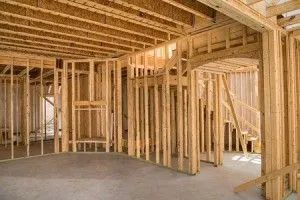
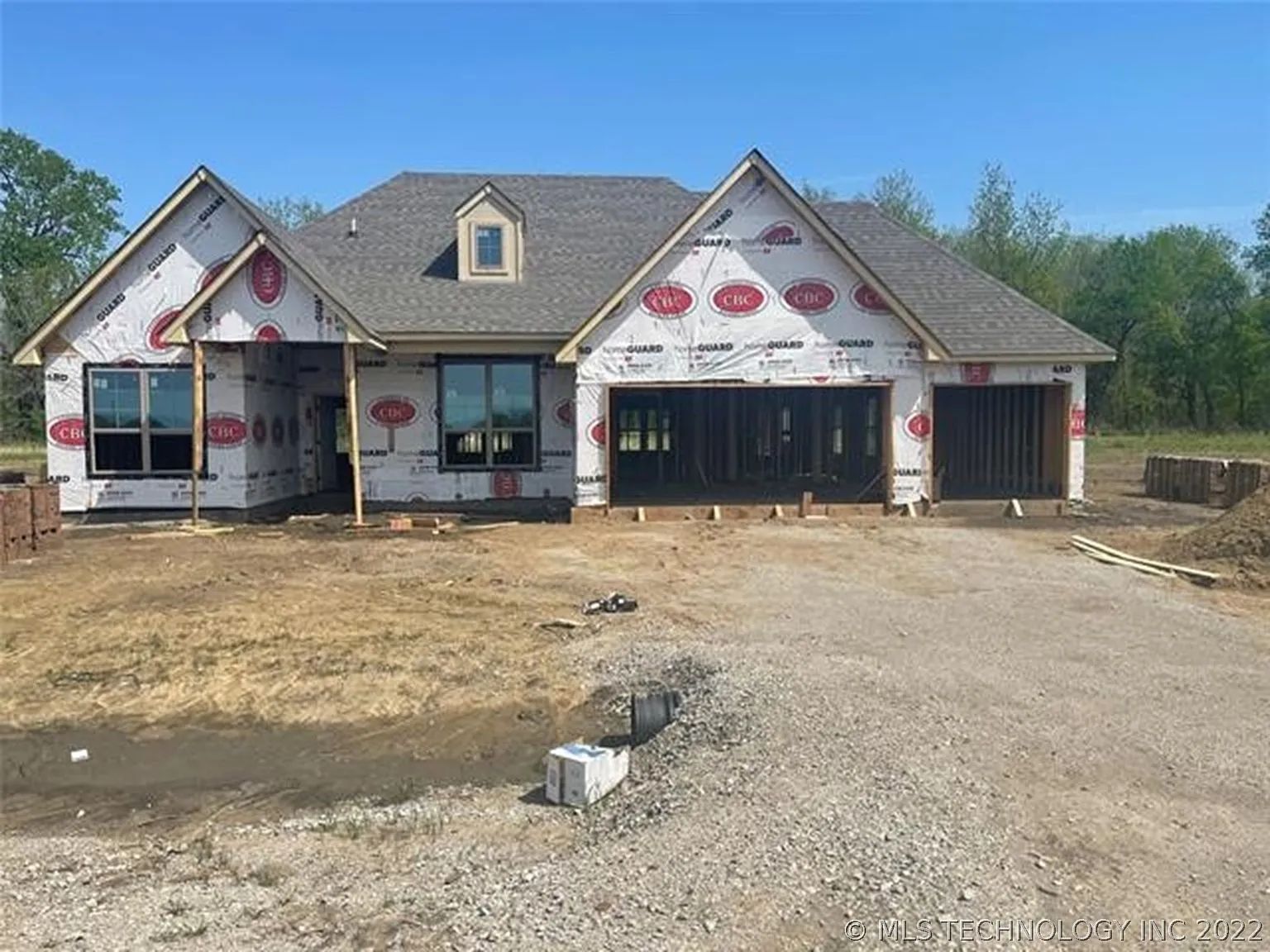
Pre-Drywall Inspection: A Crucial Step in New Home Construction

Inspection Insights for Real Estate Agents

Important Home Maintenance Tip: